A one-day pottery class in Korea gives you an hour or two with wet clay, and if you'd like to bring home something you made yourself, I'd give a free afternoon to one. But a piece that goes into the kiln stays at the studio when you leave, so before you book, work out how it will get home. You either go back for it a couple of weeks later or ask whether the studio can ship it, and that choice tells you which day of your trip the class belongs on.
What do you actually do in the class?
You shape the clay. Korean has a verb for exactly this: 빚다, bitda. Its first sense in the Standard Korean Dictionary is kneading clay or a similar material into a form, which is a fair description of your part of the afternoon. Depending on the studio, you do it at an electric wheel, by hand at a bench, or both.
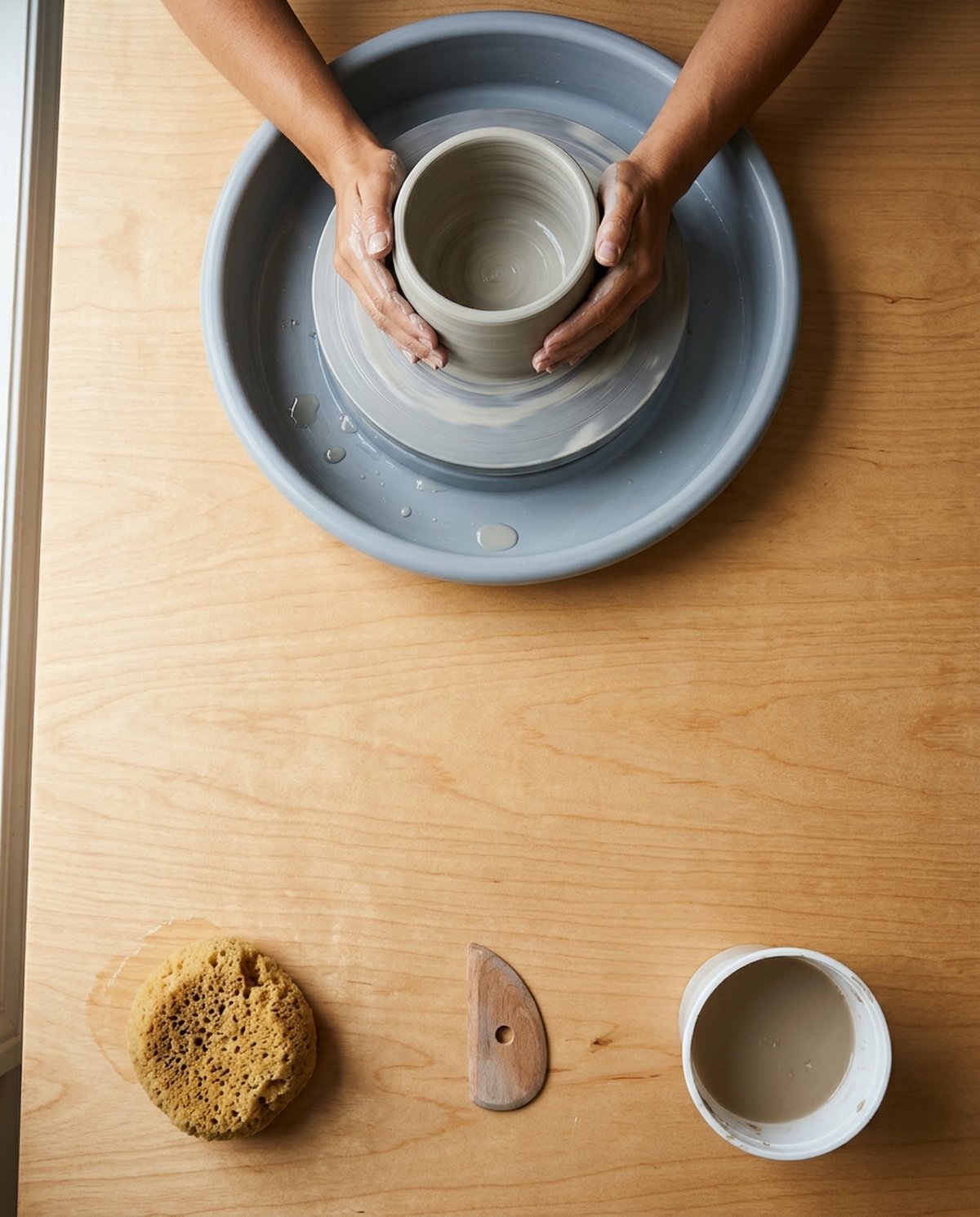
Hands-on time is short. At a moon-jar class in Seoul you get 50 minutes with the clay and five more for an intro and wrap-up. Another moon-jar workshop adds close to an hour of tea after about an hour at the wheel. Budget up to two hours, the length of an English-led class in Seoul. A class in Busan that mixes hand-building with a beginner wheel session sits in between at 60 to 90 minutes.
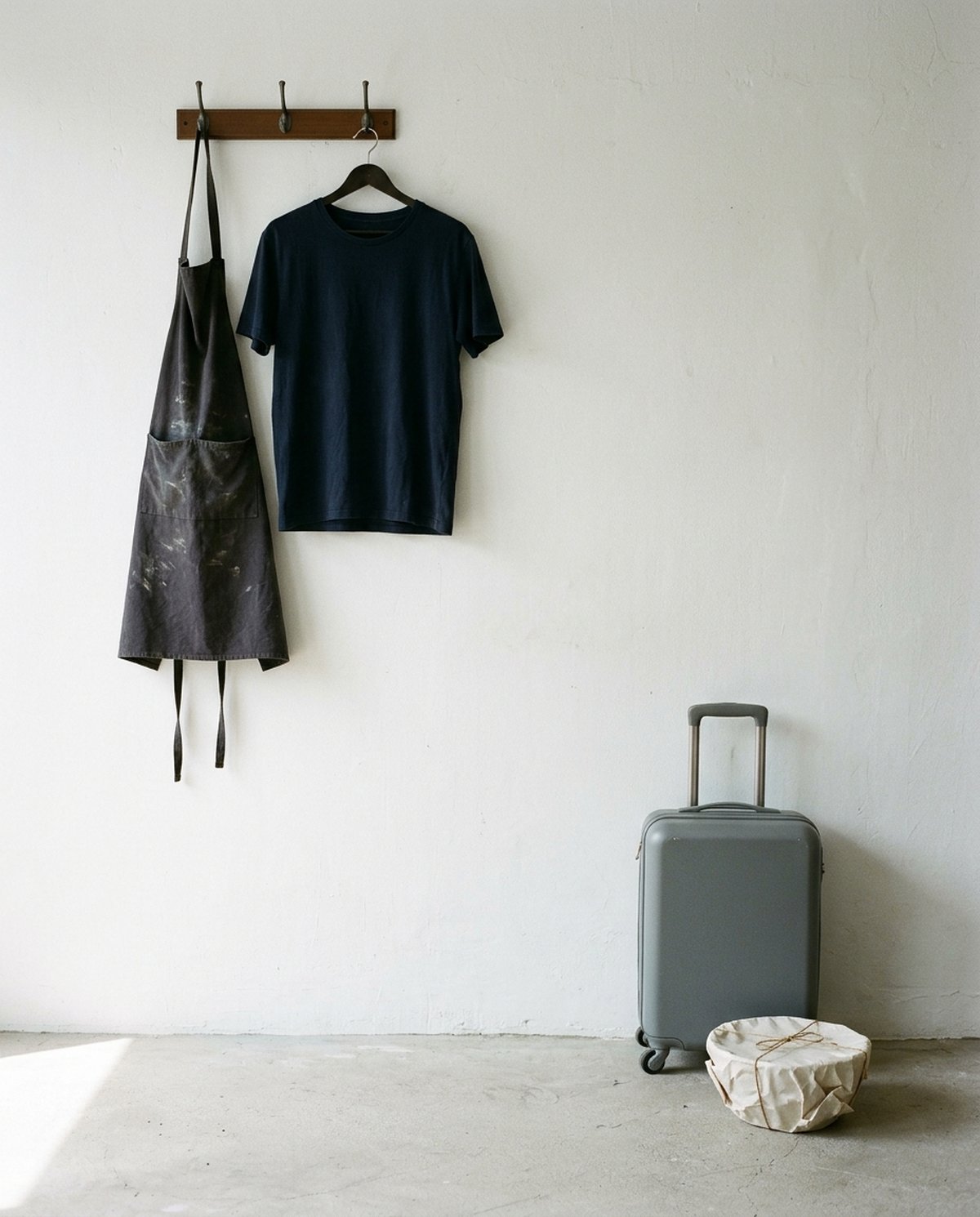
Clay may get on your clothes, so wear something dark, as one small studio suggests. If you own an apron, bring it. The two-hour Seoul class keeps spares for anyone who turns up without one. And leave the shirt you plan to fly home in at the hotel.
Wheel or hand-building?
You may get to choose. The small studio lets you pick whichever you prefer, and the Busan class has you do both, a hand-built planter plus a beginner wheel session.
What you can make may depend on the method. At the workshop VisitKorea features, the electric wheel makes cups, plates or flower vases from set patterns. Plates also come out of hand-building there, along with small accessories.
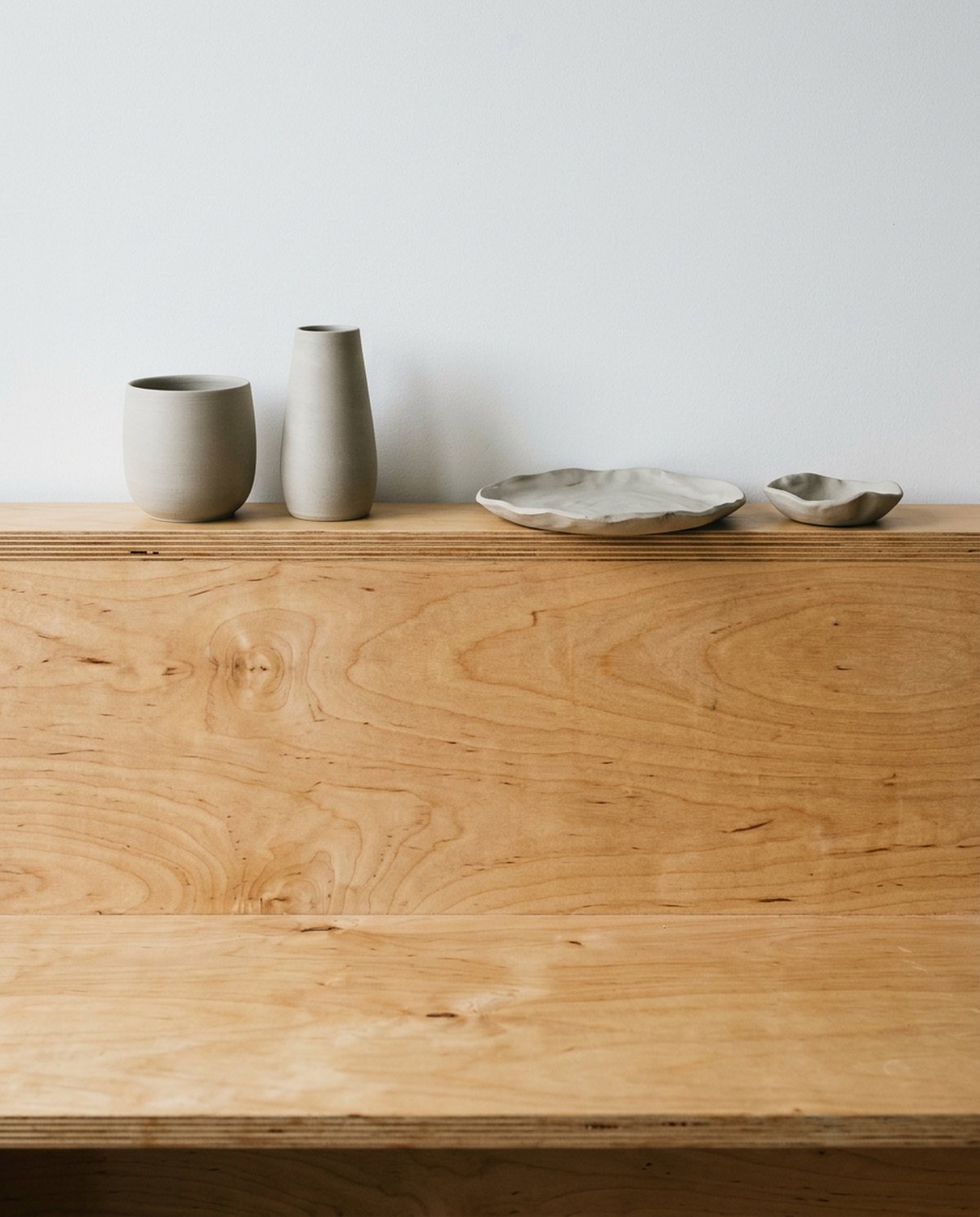
So settle the shape you want to bring home first, then ask the studio which method makes it there. Going with a friend to a studio that offers both? Ask whether the two of you can take one method each.
Why the piece stays behind
Once you put the clay down, the rest is out of your hands. After class, the studio finishes your piece and fires it in the kiln. Firing takes time, which is why the VisitKorea workshop offers international delivery.
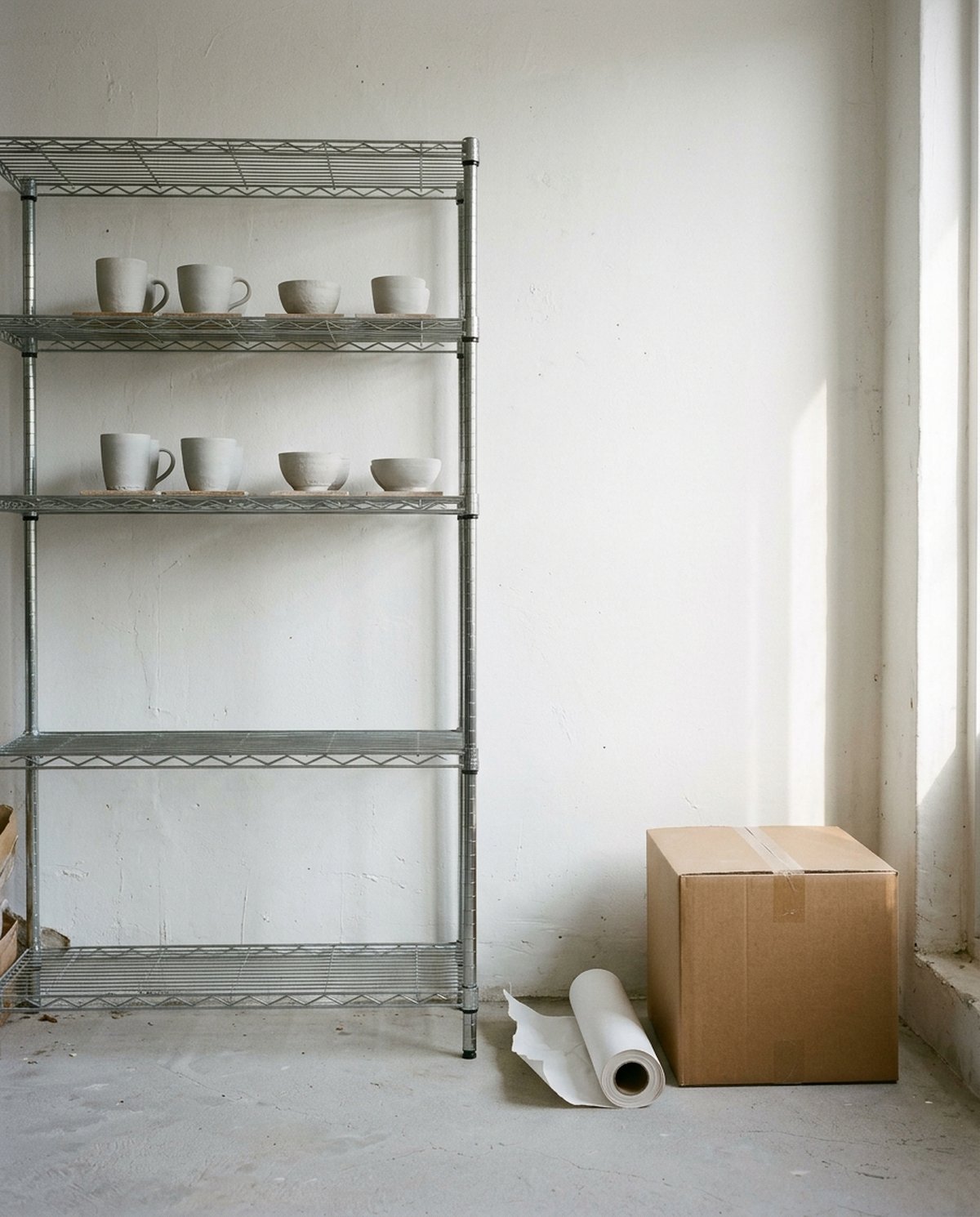
Expect a wait. Ready times I found ran two to three weeks. Plan around your own studio's figure, though.
Akasha Note If you want to pick the piece up yourself, put the class near the start of your trip. Two weeks from day two of a three-week stay still leaves you a few days to go back for it.
Three questions for the studio before you pay
- Are glazing and firing included? Don't assume. Even where the instructor glazes and fires your piece after class, both can be missing from the "What's Included" list (example).
- When will it be ready? Get your studio's own figure and hold it up against your flight date.
- Can it be shipped abroad, and for how much? The two moon-jar classes above ship abroad for an extra fee that isn't printed on either page, and delivery can add another two to three weeks. While you're asking, find out what happens if it breaks on the way.
Booking, and roughly what it costs
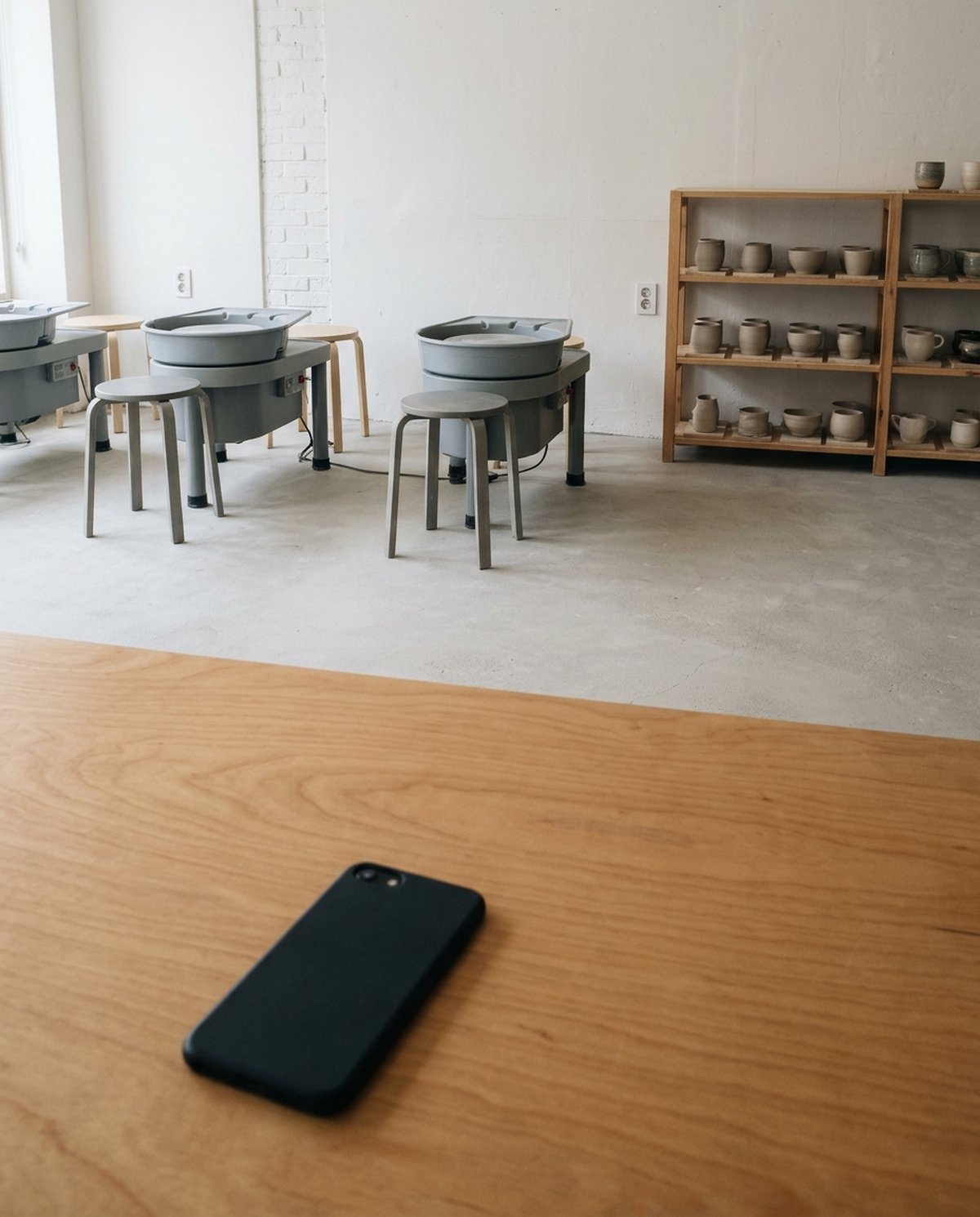
How you book depends on the studio. For the VisitKorea workshop, it's an Instagram DM or a text message. If being taught in English matters to you, look for a booking-platform listing that says so, as the two-hour Seoul class and both moon-jar classes do.
As a rough guide, the small studio, booked through Naver Reservation, lists its one-day class at 45,000 won for adults and 35,000 won for children. The two moon-jar classes come to about US$90 and US$95. Prices change, so check the figure on the day you book.
Flying home before it's ready?
Have it shipped if the studio offers that, or pick something you can carry out the door the same day.
The VisitKorea workshop also lets you paint a ceramic piece that's already been made and take that souvenir home the same day. In Busan, the class sends your hand-built planter home with you that day too. It isn't kiln-fired, so don't count on it to hold water.
On a short stay, the same-day question is the one I'd ask first.
The short version
Save this before you book.
- Work out how it gets home first. A kiln-fired piece stays at the studio until you collect it or it's shipped
- Book early in your trip if you want to collect it yourself. Ready times I found ran two to three weeks
- Ask three things: whether glazing and firing are included, when it's ready, and whether it can be shipped abroad and for how much
- Pick the shape first, then ask which method makes it at that studio
- Short stay? Ask about painting a ready-made piece or another same-day option
- Wear dark clothes, and bring an apron if you own one
- Prices change. One small studio listed 45,000 won for adults; two platform classes came to about US$90 and US$95 (checked 18 November 2026)
Send this to whoever's coming with you, and pick the class day together.
If you'd rather make something you can eat, kimchi class or makgeolli class in Korea compares two more hands-on classes. And for a cooking class in a temple kitchen, see Korean temple food without garlic.
Do it with a local Akasha is an app for finding local meetups and experiences in Korea. Once the class is booked, find a local tour or a meetup for the rest of your trip: iOS / Android
One question for the comments, and I do read them: wheel or hand-building, which would you take, and what would you make?

Who wrote this. I run Akasha and write this blog from Seoul. This piece is a reading of VisitKorea's page on one featured workshop, five class pages on booking and travel-listing sites, and the National Institute of Korean Language's dictionary and romanization rules, read on 18 November 2026. It is not a report from a class. More at @akasha.korea.
Sources
- VisitKorea, "Learn Korean Traditions and Flavors from the Masters", 2024-09-24 (one featured workshop: hand-building and electric wheel, shapes made with each, ceramics take time to fire so the workshop offers international delivery, painting pre-made pieces to take home the same day, booking by Instagram DM or text message): https://english.visitkorea.or.kr/svc/contents/contentsView.do?vcontsId=206226 (read 2026-11-18)
- WAUG, Seoul moon-jar wheel class (50 minutes hands-on plus a 5-minute intro and wrap-up, instructor fires and glazes after class, ready within 2 to 3 weeks, shipping abroad for an extra fee taking 2 to 3 weeks, "What's Included" does not name firing or glazing, English and Korean, about US$95): https://www.waug.com/en/activities/161476 (read 2026-11-18)
- WAUG, moon-jar wheel workshop (about 60 minutes plus about 55 minutes of tea, artist fires each piece in the kiln, international shipping for an extra fee, delivery time varies by country, English or Korean, about US$90): https://www.waug.com/en/activities/161484 (read 2026-11-18)
- Trazy, Busan hand-building and wheel class (60 to 90 minutes, hand-built planter goes home the same day, not kiln-fired, not suitable for holding water): https://www.trazy.com/experience/detail/cermaic-mug-handbuilding-pottery-wheel-experience-busan (read 2026-11-18)
- Mom-mom.net, small pottery studio page (wheel or hand-building by preference, one-day class 45,000 won adults and 35,000 won children, dark clothes suggested, Naver Reservation): https://mom-mom.net/en/travel/places/6aabab068ab57062296c0c1e (read 2026-11-18)
- Trazy, two-hour English-led class in Seoul (pickup 2 weeks after the class, bring an apron if you have one, spares available): https://www.trazy.com/experience/detail/seoul-pottery-class (read 2026-11-18)
- National Institute of Korean Language, Standard Korean Dictionary, entry 빚다 (sense 1): https://stdict.korean.go.kr/search/searchResult.do?pageSize=10&searchKeyword=%EB%B9%9A%EB%8B%A4&searchType=WORD (read 2026-11-18)
- National Institute of Korean Language, Romanization of Korean: https://www.korean.go.kr/front_eng/roman/roman_01.do (read 2026-11-18)
Images: generated for this article. They show no real class, studio or brand.